
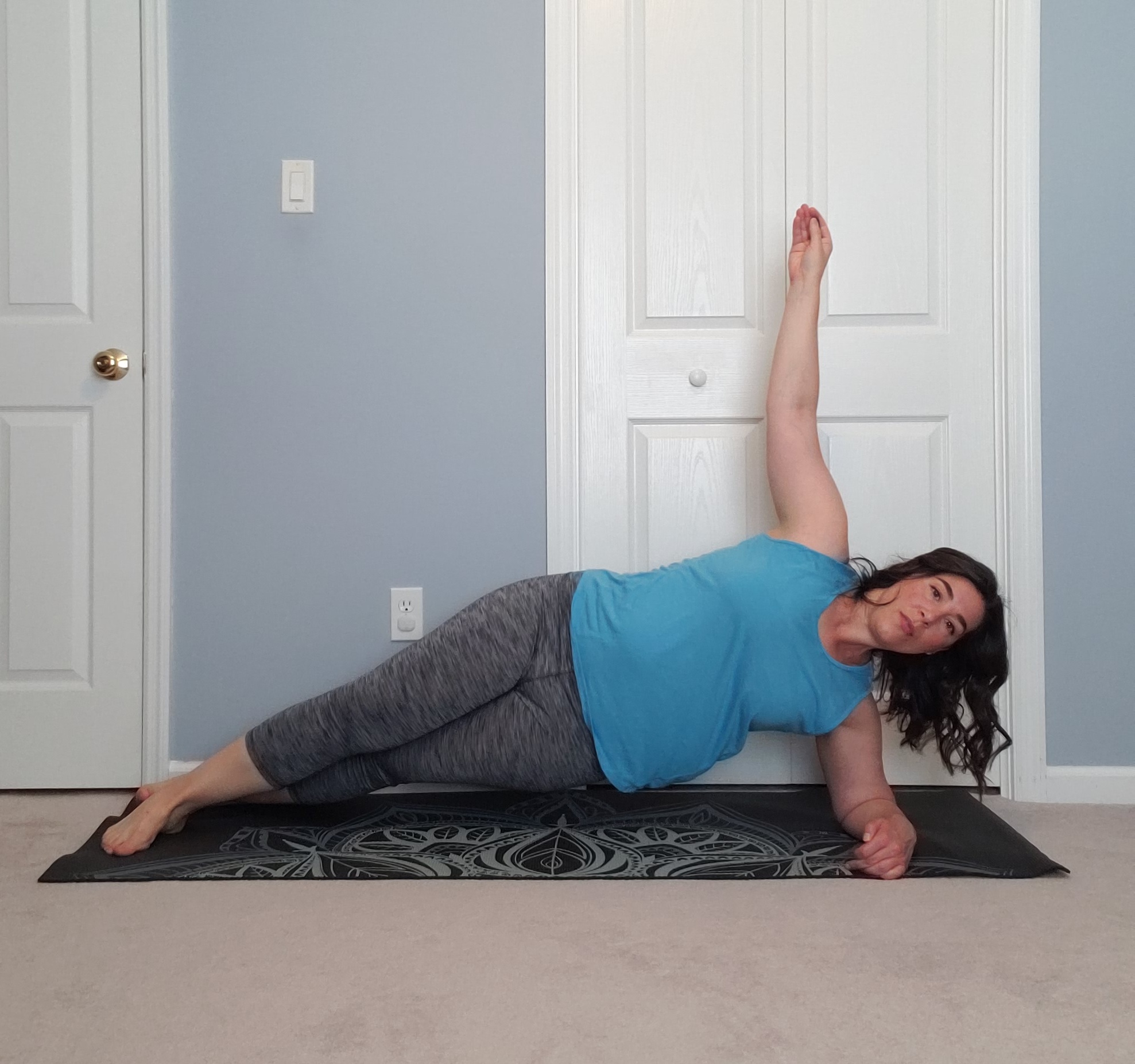
Hello Warriors! I’m of the opinion (and research backs me up) that all strength training is positive. I’d like to focus a bit of attention and blog space on anti rotation exercises today. These exercises are important for spine stability, bilateral strength, and transfer of force but many aren’t spending enough (or any) time with them.
Anti rotation exercises are those that force the spine and vertebrae to resist turning to the left or right. Why would we want to resist rotation? Because the ability to resist unwanted motion is critically important as we get older.
As we age, the smaller muscles that line the vertebral column begin to weaken. And since these muscles are smaller, it often isn’t a huge noticeable change. Like most things through the aging process, it’s a use it or lose it prospect. Most of us challenge these muscles through sports or other similar activities when we are young, but as life happens, those things tend to fall by the wayside.
These muscles create stability in the core. That’s a loaded phrase in fitness land, but let’s ignore that for the time being. A strong and stable core is linked to all sorts of positive outcomes for health including better balance, improved posture, reduction in low back pain, and injury prevention.
Anti rotational exercises also improve bilateral strength. Most of us are stronger on one side of our body. This tends to go with the side of our dominant hand, but suffice it to say that as we age, we’d like to attenuate as much of those differences as we can. I mean, if you are going to fall, there’s a 50/50 chance it’ll be your weaker side. The mechanism for improvement actually happens because these exercises force your brain to talk to your muscles in a different way.
Piggybacking off bilateral strength, anti rotational exercises build the ability to transfer force. Part of the core’s responsibility is to transfer the force we can create in our legs and lower body to the upper body. Again, an ability we lose as we age. And something we can train to keep and improve. Being able to use our upper body to push or pull, especially something overhead, can keep us independent longer.
So, which exercises are anti rotational? Again, anything that forces you to keep your shoulders and hips square. Unweighted exercises like bird dogs, plank shoulder taps, and bear crawls are great places to start. These are especially useful as they are done low to the ground and decrease risks of falls by increasing stability.
Weighted exercises like Pallof presses and renegade rows focus on specific core mechanics and are easy to learn for beginners. Other weighted options are plank pull throughs, single leg Romanian deadlifts, and single sided overhead presses. These are a bit more challenging and have a steeper learning curve, but truthfully any strength exercise where the weight is held or lifted on one side at a time can count as anti rotational.
My favorite anti rotation exercise, though, is a famer’s or suitcase carry. Pick up some weight and walk while trying to keep your shoulders from rotating. The suitcase carry is especially useful for this as you have weight in only one hand. And as walking is something most of us do regularly, it’s not a challenging motion to learn. This one is not only anti rotation but has full body benefits that transfer to real life.
You don’t need to program a ton of these either. Two or three depending on your needs, wants, and program split should do just fine. Spending just a bit of time on anti rotation exercises now can pay off in spades later.
Until next time, be well friends!
0