Howdy ho, Warriors! One of my favorite topics is health and wellness. Popular culture and usage really entangles these two and I think it’s important to separate them. I’ve got an even deeper take on this today that I want to share with you.
I saw an Instagram post on this last fall. I’m about 90% certain the original post was from @thewellbeingscientist_, but of course I can’t find it. So, apologies if I have mis-attributed this, but this post really stuck with me. Like I was still thinking about it days and weeks later. To the point that I knew I would be featuring the concept here on MMW. But I also had to sit with it a bit, because truthfully, there are parts of this that I am not qualified to speak on.
But I’m ahead of myself. For those of you who aren’t aware of my usual blathering about health and wellness, let’s start there. Health is the absence of illness or injury. That’s it. Simple and straightforward. Typically we look at health as a physical situation, but in recent years, mental health has come to the forefront as well. The thing with health is that it can happen TO us. In other words, it is passive. We can come down with a stomach bug or roll an ankle while we are otherwise just living our lives. And all of sudden, bam, our health status has changed.
Wellness, is active. Wellness is the process of becoming aware of our situation and making choices regularly to change and improve that situation. Wellness also encompasses a range of life factors: physical, mental, emotional, spiritual, financial, occupational, environmental and so on. Each of these dimensions don’t exist in a vacuum, they all effect and are affected by each other.
The example I like to use to demonstrate the interconnectedness of wellness dimensions is a chronic health diagnosis like multiple schlerosis. The diagnosis alone is a change to the physical health dimension, both in the short term and for the long haul. But there is a mental and emotional change that happens. Those changes can actually affect an individual’s physical prognosis, too. There are also changes in financial status as an individual may become unable to continue working. Or as medical costs increase. And there will certainly have to be environmental changes to accommodate differing needs as physical conditions deteriorate.
While we cannot stop everything via wellness practices, the point is that we can try to assess who we are and what risks we carry and mitigate them. We can make it a point to eat less salt and walk more if we have a family history of heart disease, say. It may not completely halt the chances we will experience it, but we may have more healthful years, the disease may be less severe, or we may have a better prognosis.
Wellness is about managing our individual risks. And not just in a physical dimension. I have a family and personal history of depression and anxiety. I knew to be on the lookout for signs of postpartum depression after my son was born. Because I was aware, I was able to reach out to a therapist when symptoms weren’t improving at the three month mark. I’m not saying it was easy; it wasn’t. But recognizing my risk and advocating for help early probably saved me recovery in the long run. And my therapist also encouraged me to use exercise as a means to boost my mental health, which had the added benefit of aiding my physical recovery.
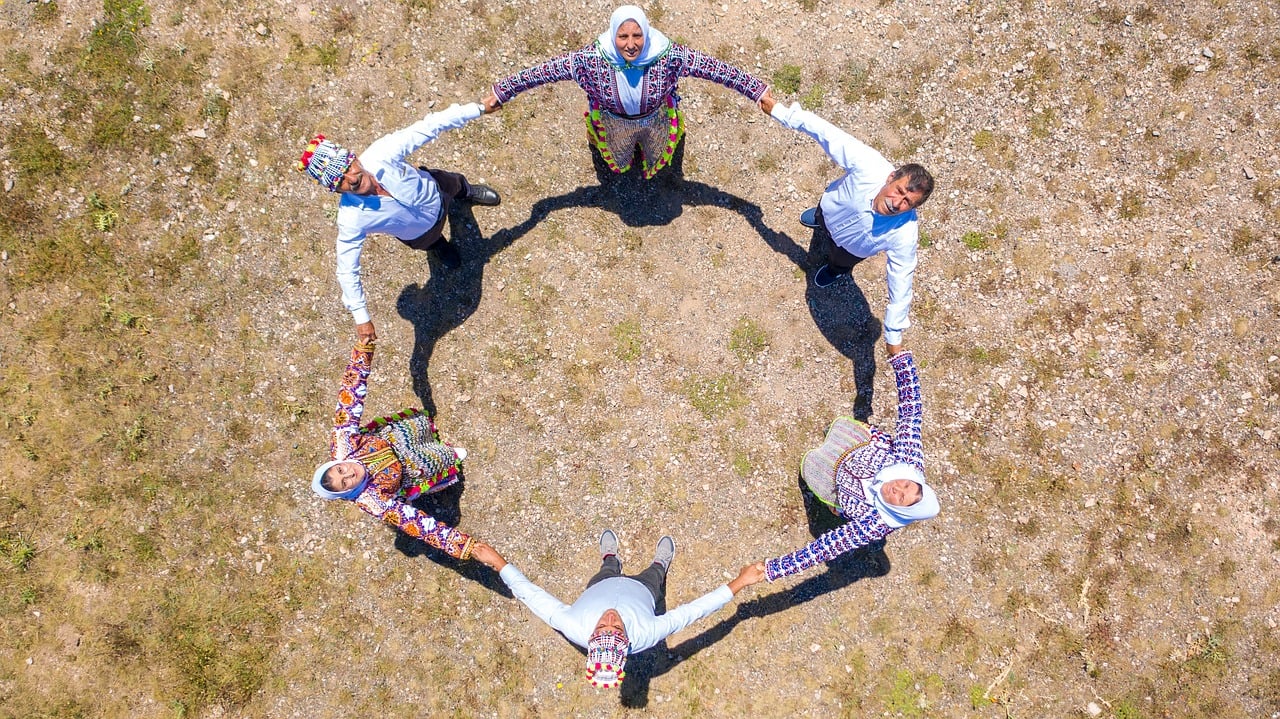
But wellness is still about us as individuals. It’s how all the influencers can sell self care without really thinking about why we feel we need those remedies. This is where wholeness comes in. Wholeness is not only about the active choices we make in multiple dimensions, but it includes aligning our lives with a sense of purpose and authenticity as it relates to our communities and ecosystems.
Wholeness is about the aggregate well-being of the community we live in, the system(s) that govern our lives, and the health of the planet. Wholeness invites us to think more deeply about the needs of the literal whole. Are people fed, cared for, respected? This gets very political very quickly, and as I said at the top, I’m not the one to address topics like inequality, systemic racism, or the generational effects of colonialism. But these definitely contribute to our sense of well-being as it relates to wholeness.
What I can confidently say is that one of the biggest indicators of quality of life is physical health, which includes energy levels, mobility, and access to good healthcare among other things. Most of us don’t have the ability to decide for ourselves on an individual basis what that looks like.
Energy level can be tied to sleep amount and quality, work-life balance and restorative time off, and nutritional quality of our diet. A single parent working two jobs just to pay the bills doesn’t have a lot of individual choice in any of these. Their time is spent surviving.
Mobility is tied to how much we are able to move on a daily basis and if we have access to safe spaces to do so. Again, when most of us (in the US) are working long hours at a desk, driving to work, and don’t have sidewalks or a public park close, we don’t have a lot of individual choice.
Access to quality and affordable healthcare could be a post in itself for those of us in the States. Which brings me back to those influencers. They are peddling individual band-aids for systemic issues. For us to be truly well, we need to consider wholeness. Not just our own individual wellness needs, but the potential needs of our communities. A sheet mask isn’t going to help our neighbors feed themselves. It may be relaxing for us individually, which isn’t a bad thing, but we need to acknowledge that it only helps one and even then, probably minimally.
We, as humans, are social and need people. We also need the people we surround ourselves with to be well. We do that by focusing on wholeness. Volunteering at a food kitchen not only feeds our neighbors, but it feeds our individual souls. And with my single parent example, not all of us will have the ability to work towards wholeness all the time, but when we can, we should.
0