
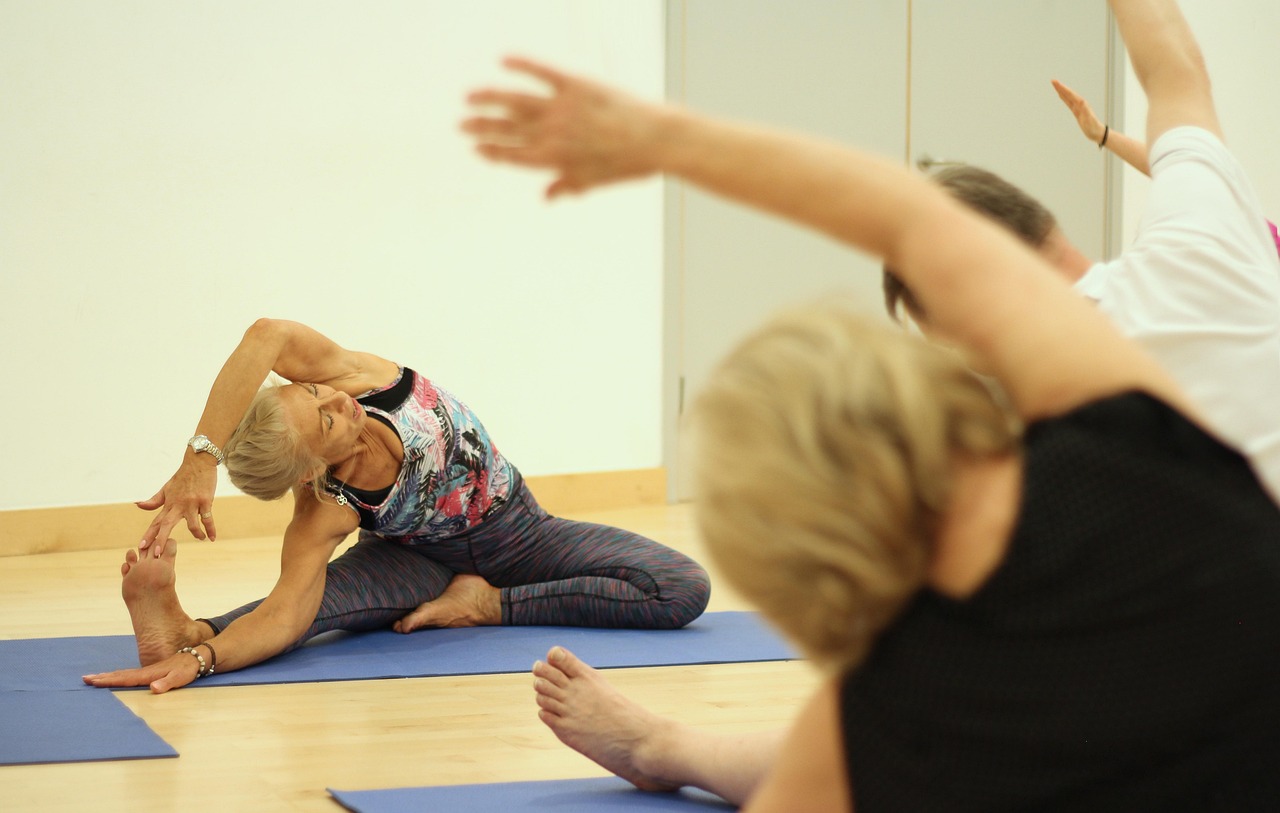
Last year I did a bit of a rebrand with this blog. I changed up the name to better reflect my background in exercise science and physiology; and it also reflects an underlying goal I have for any and every client I work with. Moving well. But what does that mean?
For those of you who have been around long enough, you might remember that I often would do a year long series that tackled a topic that either needed to be broken into parts or one that I just had a lot to say about that. My mental health needed a bit of a slower pace to posting the last little while, so I didn’t want to dilute my posts further during that period. However, I am hoping to be back to a once per week schedule for this year, which means I get to yammer more. That could be good or bad depending on your view, but here we are.
I want to take some time over this year to break down what I think it means to move well. Why? Because on first think, it seems like it would be a relatively easy question to answer. And then you (or maybe just me) give it a second thought and the question becomes much more challenging.
Just before Christmas I had a halfway through a decade birthday and while I’m not usually one that gets bothered about those things, it definitely does put things into perspective. I move much differently than I did a decade ago. Certainly two decades ago. But is it worse or just different?
I exercised throughout my pregnancy. But again, I absolutely wasn’t moving with the same intensity as when my body wasn’t working to also assemble an entire tiny human. Was it worse or just different?
I’ve been very open on this blog about my personal struggles with anxiety and mental health. During periods of higher anxiety, the types of exercises I choose or the frequency of movement changes. Are these changes for the worse or are they supporting a different state?
Like many of you, my family has gone through job changes, medical scares, moves, and other stressful life shifts. Again, the type, intensity, frequency, or overall schedule of movement during these periods has to shift in some way. Worse or different?
The ideal of moving well will be exemplified when the Olympics opens in Milan in a few weeks. But even athletes will tell you battling through mental health changes how they move. Injuries affect how they move. Phase of training affects what they are focusing on and therefore how they move. And their body definitely moves differently when their competitive careers have run their course (see what I did there?).
My point is that life circumstances can dictate what we need movement wise and our ability to move can influence how we deal with our own crazy journeys. They are inexorably intertwined and I want to spend some time really teasing those connections out. Because, as always, I believe that understanding those connections is the key to maintaining consistency and a positive outlook with movement.
So, every month, I’ll be asking what it means to move well under a certain set of circumstances that can happen over the lifespan. Stay tuned for February’s installment about what it means to move well during the aging process.
0